
Related Articles






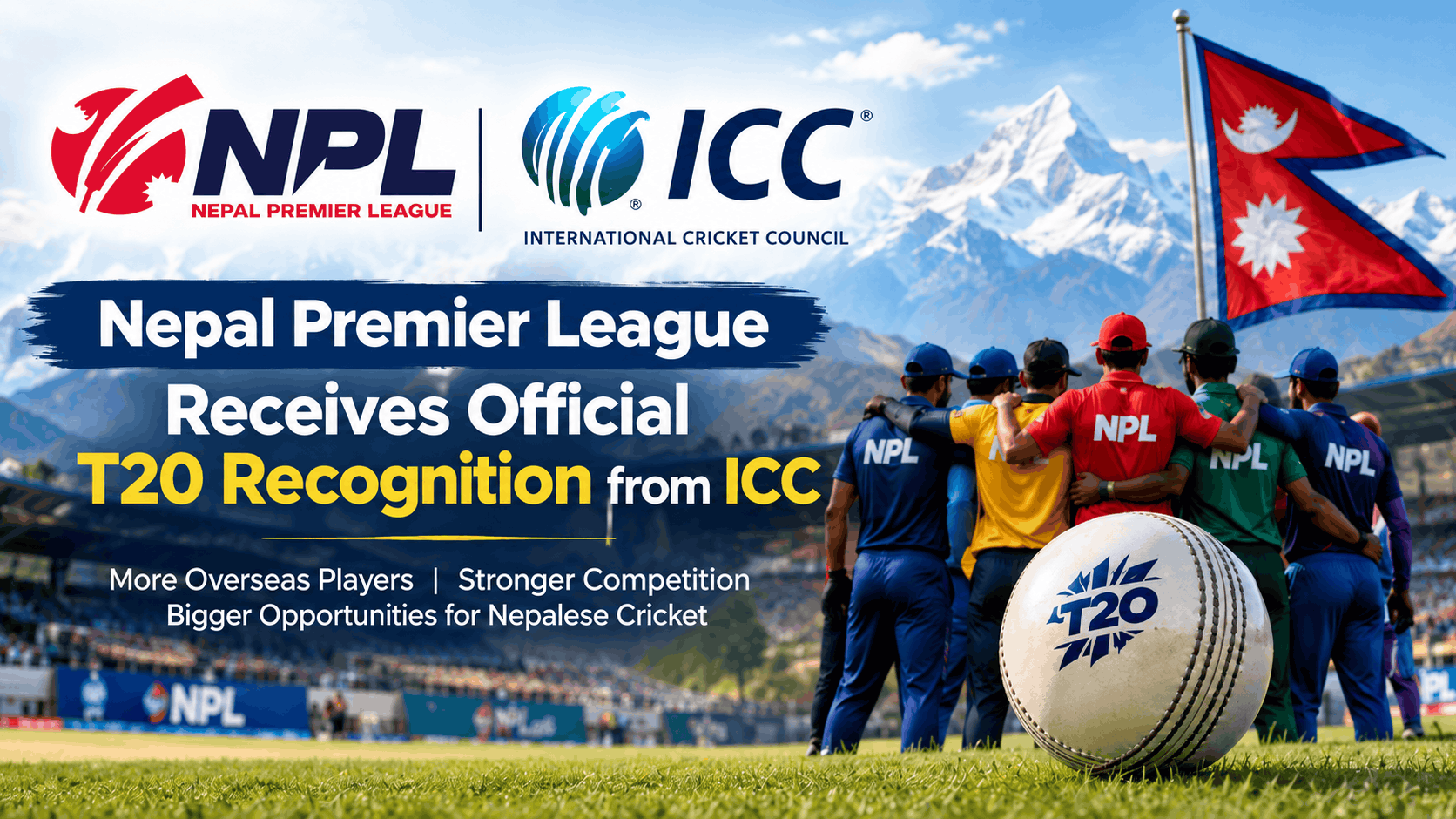
Nepal Premier League Gets Official ICC T20 Recognition
Nepal Premier League Gets Official ICC T20 Recognition: What It Means for Overseas Players
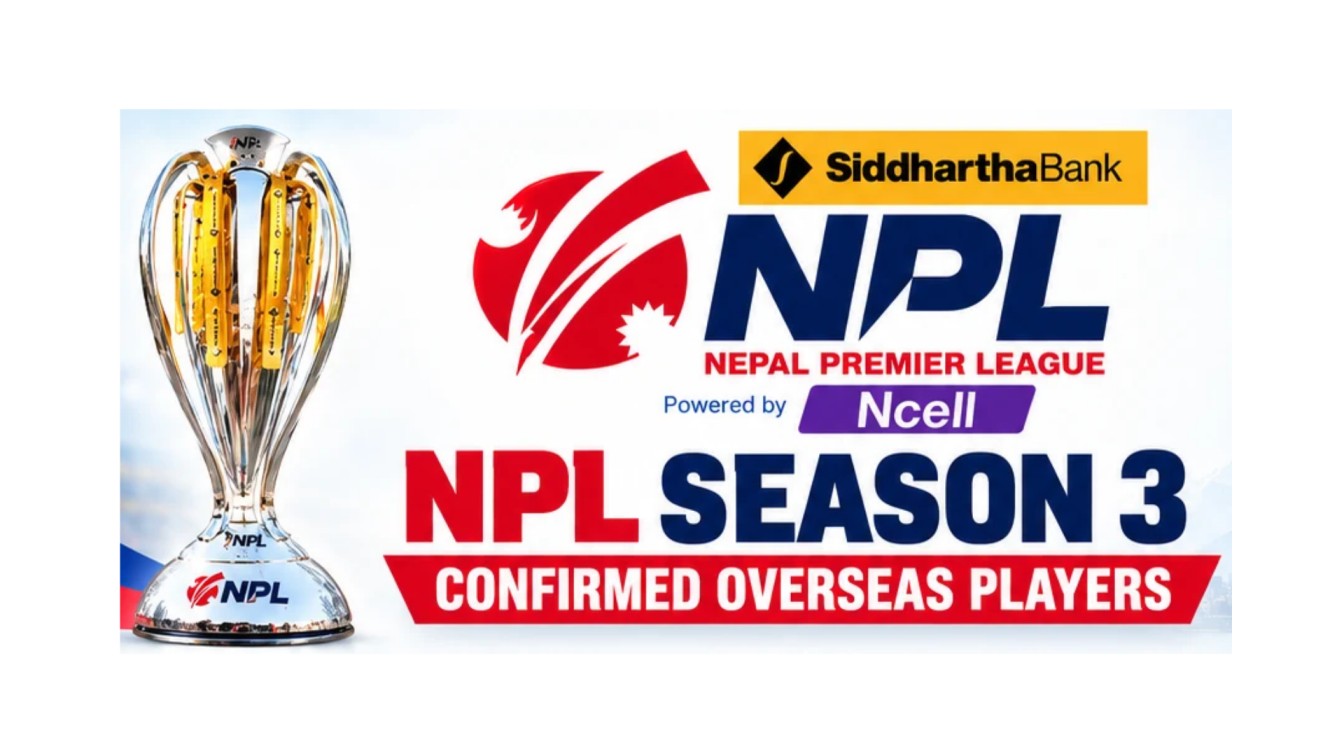
Nepal’s franchise cricket tournament, the Nepal Premier League (NPL), has received official T20 recognition from the International Cricket Council (ICC), marking an important development for the country’s growing cricket industry.
The Cricket Association of Nepal (CAN) announced the recognition in a press release on Friday. The development is expected to give NPL franchises greater flexibility when recruiting international cricketers and could strengthen the league’s position in the global T20 cricket landscape.
Previously, franchises were permitted to sign a maximum of four players from Test-playing nations for a single edition of the tournament. With the new recognition, that restriction has been removed, allowing franchises greater freedom in their overseas recruitment strategies.
The decision could have significant implications for team composition, international player participation, competition quality and the future growth of franchise cricket in Nepal.
What Is the Nepal Premier League (NPL)?
The Nepal Premier League is Nepal’s domestic franchise-based T20 cricket tournament, organized under the Cricket Association of Nepal (CAN).
The competition brings together franchise teams featuring Nepalese cricketers and international players. It provides a platform for local talent to compete in a professional T20 environment while giving fans an opportunity to watch high-profile cricket.
Like other franchise-based T20 leagues around the world, the NPL aims to combine competitive cricket, entertainment, commercial partnerships and opportunities for emerging players.
The tournament also offers Nepalese cricketers valuable opportunities to share the field with experienced international players, learn from different playing styles and develop their skills in the shortest format of the game.
What Does Official ICC T20 Recognition Mean for the NPL?
The latest recognition is particularly important because it changes the restrictions that previously affected overseas player recruitment.
Under the earlier arrangement, each franchise could sign a maximum of four players from Test-playing nations for a single edition of the tournament. The new recognition removes that specific limit, giving teams more flexibility to build their squads.
This does not necessarily mean that franchises can sign an unlimited number of foreign players or field any number of overseas cricketers in a match. Other tournament regulations, squad requirements and playing conditions may still apply.
However, the change gives NPL franchises more options when planning their recruitment strategies and identifying international talent.
For the league, the recognition represents an opportunity to strengthen its international profile and improve its appeal to players, sponsors and cricket audiences.
Key Benefits of ICC T20 Recognition for the Nepal Premier League
1. Greater Flexibility in Signing Overseas Players
One of the most immediate benefits is the removal of the previous four-player restriction for cricketers from Test-playing nations.
Franchises can now explore a wider pool of international talent when building their squads. This could make it easier for teams to identify players whose experience, skills and playing styles suit their requirements.
Greater recruitment flexibility may also help franchises develop stronger and more balanced teams.
2. Opportunities to Attract International Cricket Stars
International participation is an important factor in the popularity of franchise T20 competitions.
With fewer restrictions on recruiting players from Test-playing nations, the NPL could become more attractive to overseas cricketers looking for additional playing opportunities.
The possibility of featuring experienced international players could generate greater interest among Nepalese cricket fans and attract attention from audiences outside the country.
However, the participation of particular players will depend on their availability, contracts, personal commitments and the league’s applicable rules.
3. Improved Competition for Nepalese Cricketers
Playing alongside experienced international cricketers can provide valuable learning opportunities for Nepalese players.
Local cricketers may gain exposure to new batting techniques, bowling strategies, fielding standards and approaches to handling pressure in T20 matches.
Such experiences can help emerging players improve their decision-making and understand the demands of professional franchise cricket.
The benefits will be greatest when international recruitment complements opportunities for Nepalese players to participate regularly and develop their own careers.
4. Greater International Visibility for Nepalese Cricket
Official ICC T20 recognition could help strengthen the NPL’s standing as Nepal continues to develop its domestic cricket ecosystem.
A more internationally connected league may attract additional media coverage, interest from overseas cricket audiences and attention from players and industry stakeholders.
Greater visibility could also help showcase Nepal’s cricketing talent, sporting infrastructure and growing fan base to a wider audience.
5. Potential Commercial and Sponsorship Opportunities
A stronger international profile may create new commercial opportunities for the league and its franchises.
Potential areas of growth include sponsorship agreements, broadcasting partnerships, advertising, merchandise and other cricket-related business activities.
International participation can make a tournament more appealing to commercial partners, particularly when it leads to stronger audience engagement and wider media exposure.
Nevertheless, commercial growth is not automatic. It will depend on the league’s audience reach, organization, marketing, broadcast distribution and ability to deliver a compelling competition.
6. More Strategic Choices for Franchise Teams
The change may also influence how franchises approach team building.
Teams could have more flexibility to evaluate overseas players based on specific requirements, including batting depth, pace bowling, spin options, all-round ability and leadership experience.
This broader recruitment pool could encourage franchises to develop more carefully planned squad combinations.
At the same time, teams will need to balance international recruitment with the development and participation of Nepalese players to maintain the league’s long-term value for domestic cricket.
How Could ICC Recognition Change the Future of the NPL?
The latest development could represent an important step in the evolution of the Nepal Premier League.
Franchise cricket has become an international sporting and entertainment industry, with established T20 leagues attracting players, audiences and commercial partners from different countries.
For Nepal, a stronger NPL could help create more opportunities for domestic players while bringing additional attention to the country’s cricketing ambitions.
The league’s future growth will depend on several factors, including the quality of competition, the availability of international players, investment in cricket infrastructure, effective administration and sustained support from fans.
The recognition may provide greater flexibility in overseas recruitment, but the league’s long-term success will ultimately depend on how effectively franchises and organizers use that opportunity.
What This Means for Nepalese Cricket Fans
For fans, the announcement creates the possibility of seeing a broader range of international talent participate in the Nepal Premier League.
A wider selection of overseas players could introduce different playing styles and create exciting matchups against Nepal’s leading cricketers.
It could also increase interest in the tournament among supporters who follow international T20 competitions.
However, the actual impact will become clearer when franchises announce their squads and the league confirms the applicable player eligibility and tournament rules.
For now, the recognition represents a positive development for Nepalese franchise cricket and an opportunity to build on the growing popularity of the sport in the country.
Frequently Asked Questions (FAQs)
1. Has the Nepal Premier League received official ICC T20 recognition?
Yes. According to the announcement by the Cricket Association of Nepal (CAN), the Nepal Premier League has received official T20 recognition from the International Cricket Council (ICC).
2. What is the main benefit of ICC T20 recognition for the NPL?
The key benefit described in the announcement is greater flexibility for franchises to recruit overseas players. The previous restriction limiting each franchise to four players from Test-playing nations for one edition has been removed.
3. Can NPL franchises now sign unlimited foreign players?
The recognition removes the specific four-player restriction for players from Test-playing nations described in the announcement. It should not be interpreted as confirmation that all foreign-player limits have been removed. Other squad and tournament regulations may still apply.
4. Will the new recognition improve the quality of the NPL?
It could help franchises access a broader pool of international talent, potentially strengthening competition. The actual impact will depend on which players participate and how teams build their squads.
5. Will more international players participate in the Nepal Premier League?
The change may make the tournament more attractive to overseas players by giving franchises greater recruitment flexibility. However, individual participation will depend on player availability, contracts and applicable tournament rules.
6. How will Nepalese players benefit from the recognition?
Nepalese players may gain valuable experience by competing alongside international cricketers, learning new techniques and developing their skills in a professional T20 environment.
7. Which organization announced the recognition?
The Cricket Association of Nepal (CAN) announced the recognition in a press release on Friday, according to the information provided in the announcement.
Conclusion
The Nepal Premier League’s official ICC T20 recognition marks an important development for Nepalese franchise cricket. By removing the previous restriction on the number of players from Test-playing nations that a franchise could recruit, the change gives teams greater flexibility to explore international talent.
The development could improve the NPL’s international appeal, create new learning opportunities for Nepalese cricketers and support future commercial growth.
While the recognition does not guarantee the arrival of international stars or immediate commercial success, it gives the league another opportunity to strengthen its position in the growing world of franchise T20 cricket.
As the NPL continues to evolve, the key will be turning this increased flexibility into a competitive, professionally managed tournament that benefits Nepalese players, fans and the wider cricketing community.
React to this post
Related Articles