Related Articles





Global Hunger Crisis Deepens Amid Escalating Middle East Conflict
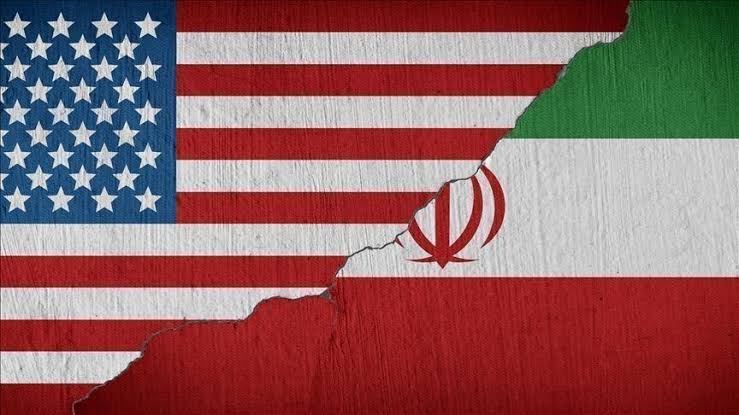
The World Food Programme (WFP) has raised concerns that the ongoing conflict involving Iran could significantly worsen global food insecurity, placing millions of vulnerable people at greater risk of hunger and famine.
Speaking to CNN, WFP Executive Director Carl Skau said the war's impact on global trade and energy markets is creating serious challenges for humanitarian operations. One of the major concerns is the disruption around the Strait of Hormuz, a critical shipping route for global energy supplies.The closure and instability in the region have driven fuel prices higher, increasing transportation and operational costs for WFP food assistance programs. Rising fuel costs are also contributing to higher food prices worldwide, making essential goods less affordable for millions of families.
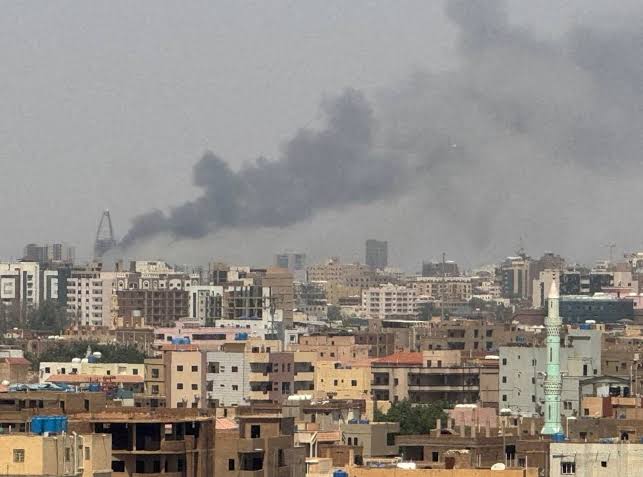
The conflict has additionally affected fertilizer exports from Gulf countries, creating supply shortages that threaten agricultural production in several regions. Countries already facing food insecurity, including Sudan, may experience further challenges in maintaining crop yields and food supplies.
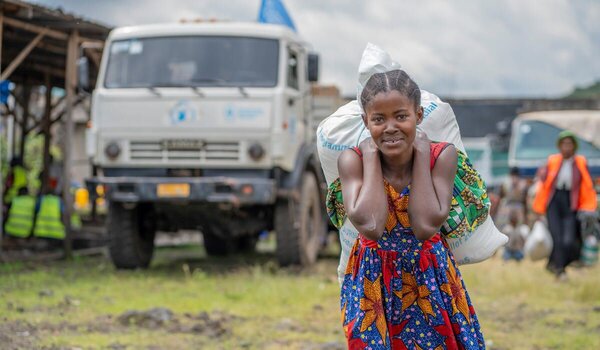
The situation comes at a difficult time for the WFP, which is already dealing with funding constraints. The organization relies heavily on contributions from governments and international donors, but overall support has declined in recent years. Funding from the United States, traditionally the WFP’s largest donor, has dropped significantly.
According to WFP data, U.S. contributions for 2026 stand at approximately $731 million, compared to more than $4 billion in 2024. Skau noted that when food prices rise by 20–30 percent in low-income countries, households often reduce food consumption by a similar margin, increasing the risk of malnutrition and hunger.
The agency had previously warned that if global oil prices remain above $100 per barrel, an additional 45 million people could face severe food insecurity by July.
WFP officials caution that even if shipping routes through the Strait of Hormuz return to normal soon, the broader effects on supply chains, agricultural production, and global food markets are likely to continue for an extended period. As a result, humanitarian organizations are urging immediate international action to prevent a deeper global hunger crisis.
React to this post
Related Articles




 Best Gaming, 4K, & Budget Displays.png)